SOCIAL MEDIA BAN
The Australian Ban Is Not an Outlier. The Rest of the World Has Already Started.
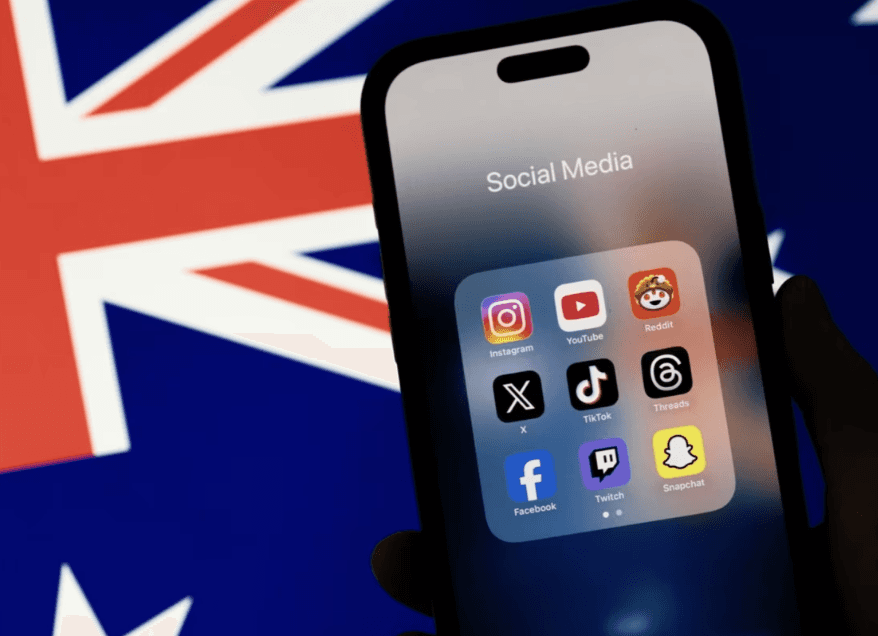
Australia’s December 10 ban feels historic, but it is not happening in a vacuum. Around the world, governments have already been tightening the rules around social media access for kids. Some did it quietly. Some framed it as child safety. Some framed it as national security. But the pattern is clear: the old era of unlimited access for minors is ending.
For more than a decade, big social platforms insisted that children could be “protected” through settings, optional tools and vague promises. They pushed responsibility onto parents and schools while avoiding the one thing that mattered: structural change.
Now governments everywhere are stepping in and doing the job directly.
Here are the countries that have already moved, and what their bans actually look like.
United States
The U.S. has no national ban, but multiple states have already introduced restrictions that go even further than Australia.
Utah passed laws requiring parental permission for minors to access social media at all. It also requires platforms to disable addictive features for under 18s. This is essentially a permission based social media model where parents act as the gatekeepers.
Arkansas introduced an age verification requirement for teens, forcing platforms to check age instead of pretending they cannot.
Florida and Texas have been pushing versions of the same idea: if a child is under 16 or 18, the platform needs parental consent or no account at all.
None of these are fully implemented yet due to legal challenges, but the direction is unmistakable. The U.S. is inching toward the same conclusion as Australia: children should not be trapped inside adult level digital ecosystems.
China
China has the strictest rules of all.
Minors are limited to 40 minutes per day on Douyin (their version of TikTok). It shuts off automatically at night. There is a curated “youth mode” that only shows educational content. Kids cannot scroll endlessly and cannot stay up late swiping videos.
China’s approach is simple: if an app is addictive, regulate the addiction directly. It is blunt, but effective.
South Korea
South Korea introduced a “shutdown law” years ago that blocked children under 16 from playing online games between midnight and 6 a.m. The focus was gaming, not social media, but the logic was the same: children need enforced guardrails because companies will not build healthy defaults.
The law was softened over time, but it set the precedent that digital environments can be restricted by age.
France
France passed a law requiring parental consent for social media accounts for children under 15. It also forced platforms to improve identity verification and gave parents the ability to demand account deletion.
France framed it not just as safety but as child development. They argued that the architecture of social platforms is not designed with the psychology of preteens in mind, and therefore requires intervention.
United Kingdom
The UK implemented the Age Appropriate Design Code, which forces platforms to design for minors with safety first. This includes limits on data collection, autoplay, targeted content and “nudge mechanics.”
It is not a ban, but it is one of the most aggressive regulatory frameworks to date. The idea is simple: if your product is used by kids, the burden is on you to make it safe.
What these countries have in common
Across cultures and political systems, the same themes keep appearing:
Age checks are now mandatory
The era of “just click you are 13” is over.Addictive design is being regulated
Autoplay, infinite scroll, push notifications and algorithmic feeds are now seen as safety risks for minors, not harmless features.Parents are gaining more control
Most countries now let parents demand account removal or require consent.Platforms lost the benefit of the doubt
After years of ignoring child safety problems, governments stopped assuming companies would do the right thing.Kids need a different type of product
Not a watered down version of TikTok. A fundamentally different design philosophy.
Why Australia feels like a tipping point
Other countries created rules. Australia created a line. Under 16s cannot use social media at all. Ages 16 to 17 need verification. That is the clearest signal yet that the world is moving past the “guidelines and suggestions” era.
Once the first Western country draws a boundary this strict, it becomes easier for others to follow. And they will, because the evidence is overwhelming and the political pressure is rising.
Where this goes next
Expect three things:
More bans or restrictions within the next two years
Countries in Europe, parts of Asia and U.S. states will move from discussion to execution.New categories of apps to replace the old ones
Platforms like Favs, Yope and Coverstar will fill the gap with private, safer, non algorithmic spaces.A generational shift in digital norms
Teenagers will grow up expecting smaller circles, healthier defaults and products that actually protect them.
The Australian ban is not the start of a conversation. It is the final proof that the world has already changed its mind about what kids should be exposed to online.
Social media companies had more than ten years to protect minors. They did almost nothing. Now governments everywhere are rewriting the rules for them.