SOCIAL MEDIA BAN
Australia’s Social Media Ban: What Happens on December 10
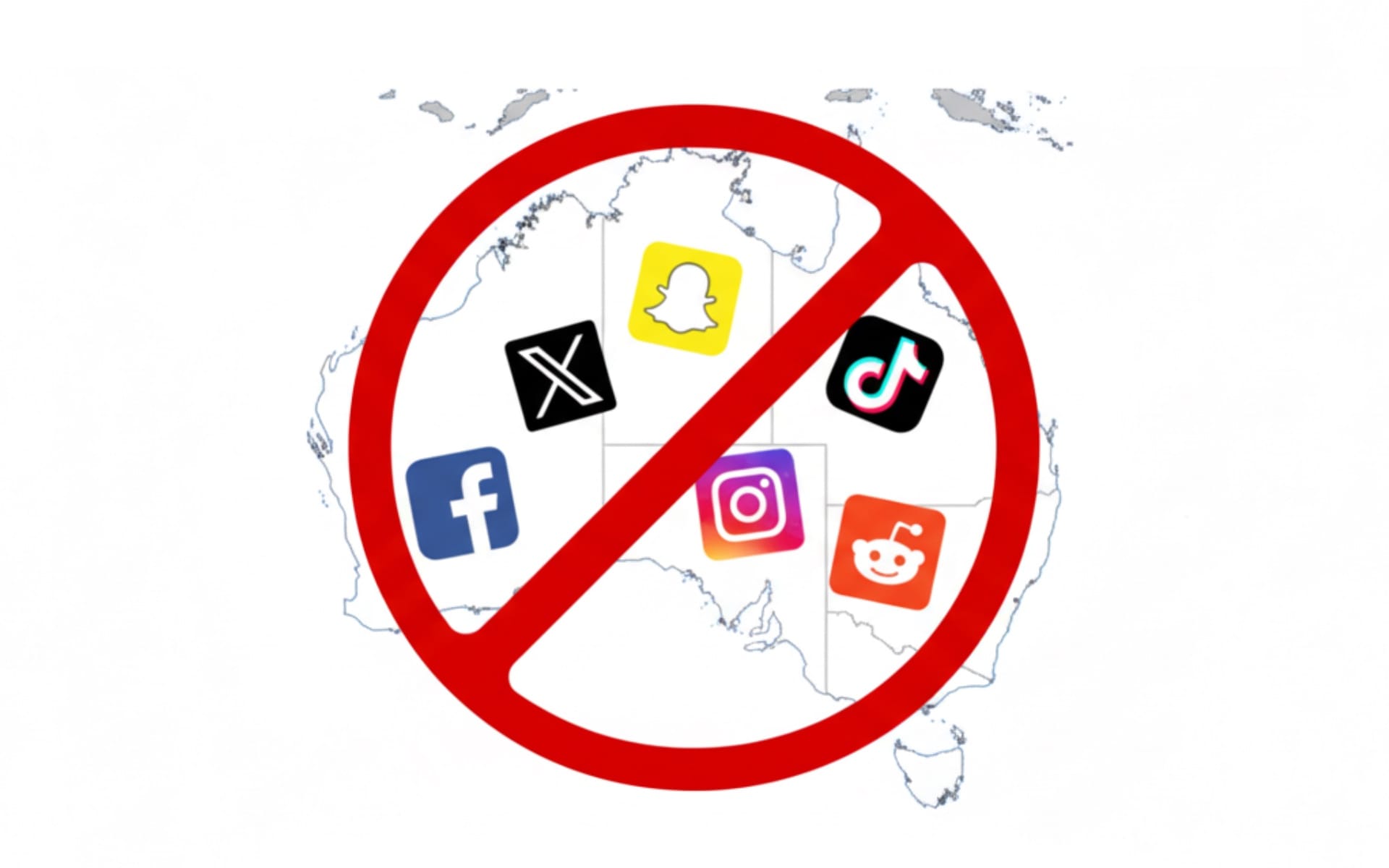
On December 10, Australia becomes the first Western country to introduce a nationwide social media ban for minors. It is not symbolic. It is not a proposal. It is a real policy with real enforcement, and it comes after a decade of social media companies doing almost nothing to protect the children who use their platforms every day.
For years, the warning signs were obvious. Rising anxiety. Declining attention spans. Teens glued to algorithmic feeds designed to shape their behavior while parents and schools struggled to pull them back into the real world. Every report confirmed what everyone already felt. The platforms were not built for children and the companies behind them refused to make them safer.
Australia finally drew a line.
Why this is a good thing
This is the first serious attempt to put the wellbeing of young people above the growth goals of billion dollar companies. After a decade of research on mental health harm, body image distortion, bullying, hyper comparison culture, addictive design, and the way endless feeds overwhelm the developing brain, waiting longer became irresponsible.
The ban is not about nostalgia. It is about acknowledging that children were left unprotected in an environment built to overpower them.
What the ban does
Under 16: No accounts allowed and existing accounts must be removed.
Ages 16 to 17: Access is allowed only with verified age checks.
Platforms face penalties if they fail to enforce the rules.
Parents can request account removal at any time.
Age verification happens at signup so harm is prevented rather than fixed later.
This is a reset. And it was overdue.
Why platforms will not like this
Because it exposes the truth. These companies had years to introduce meaningful safety features. They could have limited algorithmic exposure for minors, reduced addictive design, or offered real parental controls. Instead they chose engagement and growth. They let the problem escalate until governments had no choice but to step in.
Australia simply acted when Silicon Valley refused to.
How this could change culture
This is the moment a country treats social media like a regulated product rather than a playground. The comparison is not alcohol or gambling. It is about harm that develops quietly and spreads into every part of a young person's life. Attention issues. Mood disorders. Dependency on validation. Constant comparison. Social paralysis.
Removing minors from this environment is not censorship. It is harm reduction.
And many teens quietly welcome it. They feel the pressure of being always visible and always reachable. They know the unhealthy pull of scrolling at 1 am. They understand how much social media shapes their identity before they have even formed one.
What happens next
Other countries will watch closely. If Australia sees improvements in wellbeing, reduced bullying, better classroom behavior, and healthier online habits, more governments will consider similar rules. Some will resist. But the direction is clear. We are entering a phase where protecting minors takes priority over engagement metrics.
The platforms had years to fix themselves. They did not. Now policy is doing the job.
December 10 is not the end of social media for young people. It is the beginning of a healthier relationship with technology, finally driven by what kids need rather than what companies want.